
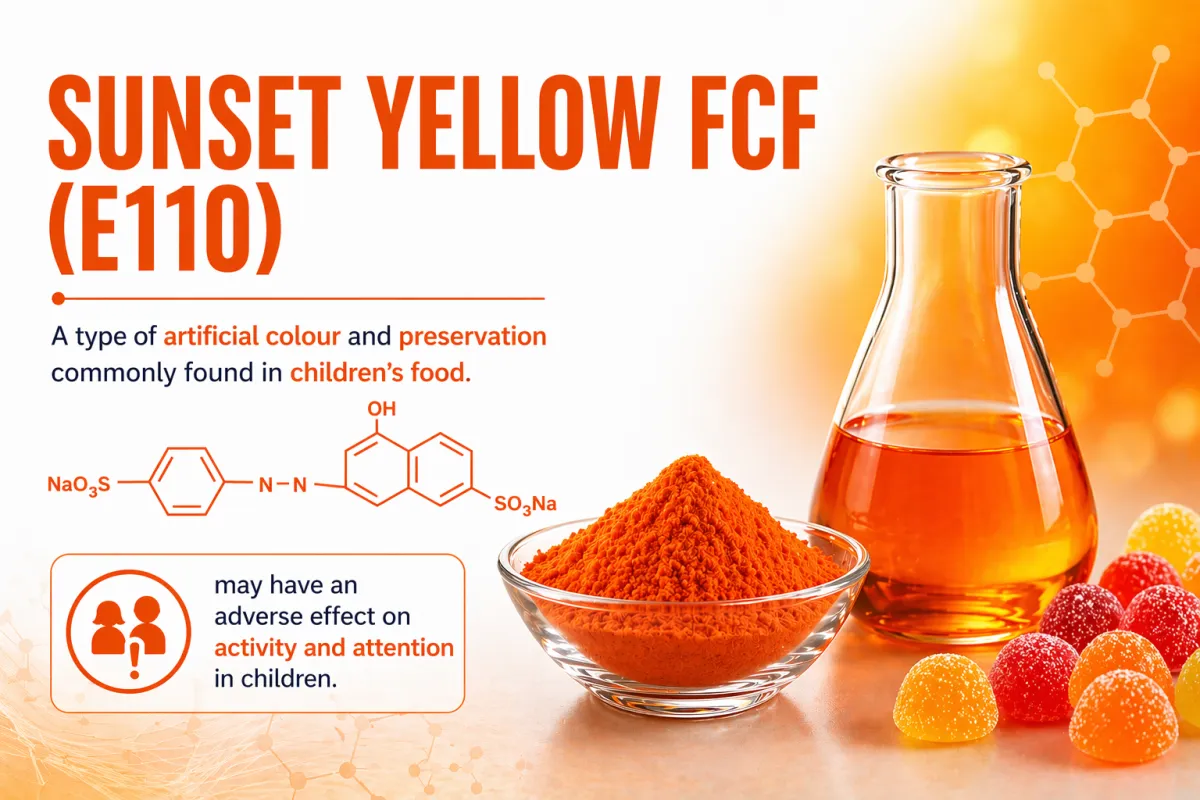
The Additive Your Kids Eat That Europe Said “No” To
There’s a tiny line on some ingredient lists that many parents miss, just a number or code tucked between familiar words.
But in other parts of the world, that same ingredient comes with a warning.
In regions like the European Union, certain artificial colours and preservatives are either restricted or required to carry labels noting possible effects on children’s activity and attention.
Meanwhile, many of these same additives still show up in everyday “kid-friendly” foods.
Think about products like:
Cordials
Icy poles
“Fun” yoghurts
Snack bars
These aren’t unusual treats. They’re part of many families’ weekly shops.
So… should parents be concerned?
The research isn’t black and white. Some studies have found links between certain combinations of artificial colours and preservatives and hyperactivity-type behaviours in some children. Others show mixed or minimal effects.
At the same time, many parents and clinicians have observed noticeable changes in behaviour, mood, or sleep after certain foods.
That leaves many families in a very real, very reasonable place:
“If there’s a simple alternative, I’ll take it.”
And that’s a perfectly valid approach.
A practical way to start without overwhelm
You don’t need to memorise additive codes or overhaul your entire pantry overnight. Instead, start small.
Pick one product. Choose something your child has regularly, maybe a cordial, yoghurt, or snack bar.
Take a closer look. Check the ingredient label.
Look for artificial colours, often listed as numbers, and certain preservatives. If you prefer a shortcut, you can scan the product using a tool like Goodnessly to quickly flag additives and get a clearer picture.Try a simple swap. Look for an alternative without those specific additives, or reduce how often that product shows up during the week.
Observe, don’t assume. Over the next few weeks, gently notice any changes in:
Mood
Sleep
Energy levels
Behaviour
Not every child will respond the same way. The goal isn’t to expect a dramatic shift. It’s simply to stay curious and informed.
It’s not about fear. It’s about choice.
Food decisions can already feel overwhelming for parents.
This isn’t about panic, restriction, or “perfect” eating.
It’s about having the information you need to make small, confident decisions for your child, based on what works for your family.
Because at the end of the day, you know your child best.
Start simple
If you’re not sure where to begin, try this:
Start with just one “fun” product. Scan it. Swap it. Observe.
Sometimes, the smallest changes are the ones that teach you the most.

Facebook
Instagram
X
TikTok