
Seed Oils and Brain Health: What You Should Know
Lately, seed oils have become a hot topic online, praised by some, heavily criticized by others. It’s easy to get pulled into the extremes.
Instead of getting caught up in conflicting opinions, it’s more useful to look at what the evidence actually shows and how you can apply it in a practical, balanced way.
The Bigger Picture: Modern Diet Patterns
Rather than isolating a single ingredient, it helps to look at overall dietary patterns.
Today’s diets tend to be:
High in seed oils, largely from ultra-processed foods
Low in omega-3 fatty acids, found in foods like fish, flaxseeds, and walnuts
This imbalance often leads to a high omega-6 to omega-3 ratio—a key factor in how our bodies (and brains) function.
Why Fat Quality Matters for the Brain
The brain is nearly 60% fat, and the types of fats we consume directly influence how it works.
These fats play a role in:
Cell membrane structure
Communication between brain cells
Inflammatory processes
When the balance of fats is off, these systems may not function as efficiently.
What Research Is Pointing Toward
Current evidence doesn’t single out seed oils as the sole problem—but it does highlight patterns worth paying attention to:
Diets high in ultra-processed foods and low in omega-3s are associated with poorer cognitive outcomes and a higher risk of neurodegenerative conditions.
Mediterranean-style diets—rich in olive oil, nuts, fish, and vegetables—are consistently linked to better brain health and lower dementia risk.
In other words, it’s less about one ingredient and more about the overall dietary pattern.
Should You Avoid Seed Oils?
There's no need for extreme rules or fear-based thinking.
Seed oils themselves aren't inherently harmful in small amounts—but here's what matters: the industrial process used to create them is the real concern.
Most seed oils are extracted using high heat, chemical solvents (like hexane), bleach, and deodorisation processes that can create harmful compounds including carcinogens. The oils are then often stored and sold in plastic bottles, which can leach chemicals back into the oil.
Beyond the manufacturing process, seed oils are a major component of ultra-processed foods—where the real health risks pile up. When combined with refined carbs, additives, and other processed ingredients, that's where the bigger concerns lie.
A more practical approach:
Rather than demonising seed oils entirely, focus on reducing ultra-processed foods (where seed oils hide), choosing oils with cleaner extraction methods when possible, being aware of storage options like glass over plastic, and understanding that context matters—occasional seed oil exposure isn't the same as daily consumption through processed foods.
1. Reduce Ultra-Processed Foods
Focus on cutting back on products where seed oils, added sugars, and additives appear together.
2. Add More Brain-Supportive Fats
Make room for:
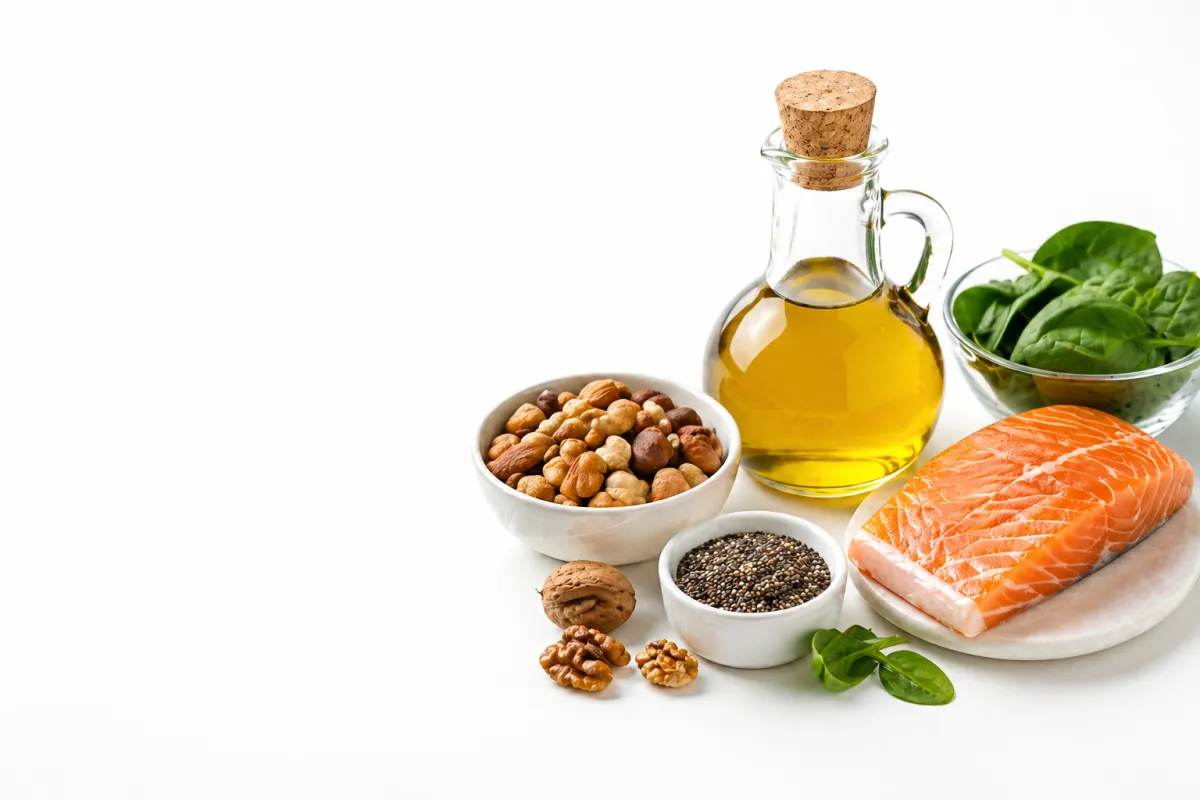
Oily fish (like salmon, sardines)
Nuts and seeds
Olive oil
3. Choose Better Fats When Possible
When you have the option:
Use coconut oil for cooking as it has a high burn rate, and extra virgin olive oil for dressings
Choose snacks and packaged foods with more balanced fat profiles
Small Shifts, Meaningful Impact
Improving brain health doesn’t require perfection. It’s about gradually shifting your overall pattern in a better direction.
Instead of stressing over individual ingredients, look at the bigger picture:
What are you eating most often?
What patterns are you reinforcing daily?
Tools like Goodnessly can help you spot these patterns—highlighting not just fats, but also sugar levels, additives, and overall product quality—so you can make more informed choices over time.
The Bottom Line
Seed oils aren’t the whole story. But they’re part of a broader dietary pattern that’s worth paying attention to.
Focus less on fear, and more on balance:
Fewer ultra-processed foods
More whole, nutrient-dense options
A better balance of fats
Because when it comes to brain health, it’s not about a single ingredient, it’s about the pattern you build over time.

Facebook
Instagram
X
TikTok