
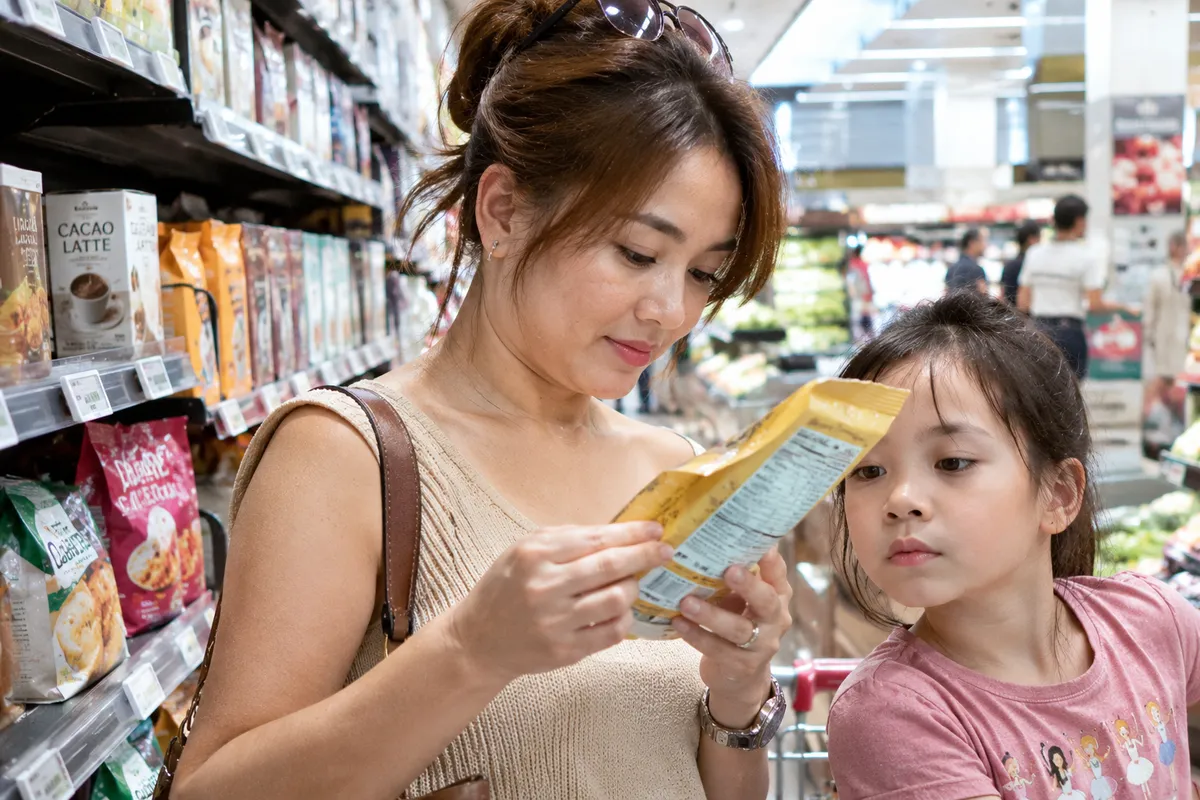
Mums, Take a Closer Look: Food Additives Every Parent Should Know About
If you're a mum, you probably know how quickly a grocery trip can turn into a long list of things to check. Is this snack okay for the lunchbox? Does this juice have too much sugar? Are these biscuits a better option than the ones we usually buy?
And then there are the ingredient lists. Some are so long that you almost need a science degree to understand them!
With so many packaged foods available, it can be difficult to know exactly what we're bringing home for our families. Food additives are one thing worth understanding, especially when we're buying snacks, drinks, cereals, and other everyday favourites for our children.
But before you start throwing everything out of your pantry, let's talk about what parents should actually look out for.
Why should mums pay attention to food additives?
Food additives are used for different reasons. Some help preserve food, while others improve its colour, flavour, texture, or appearance.
They are found in many everyday products, including breakfast cereals, flavoured drinks, biscuits, lollies, sauces, and packaged snacks.
Not all additives are bad, and their presence doesn't automatically mean a food is unsafe. For example, Food Standards Australia New Zealand (FSANZ) sets conditions for their use in Australia and New Zealand.
Still, being familiar with some common additives can help parents make more informed choices, particularly when certain products become regular parts of their children's diets.
5 food additives worth knowing about
You don't need to memorise every number on a food label. Start with these five commonly discussed additives.
1. Sodium Benzoate (211)
This is a preservative used to prevent the growth of certain microorganisms and help extend the shelf life of food. You may find it in soft drinks, fruit drinks, cordials, sauces, and other acidic foods. If your children regularly drink packaged juices or sweetened beverages, it's worth checking the ingredient list.
2. Calcium Propionate (282)
Ever wondered how packaged bread stays fresh for several days without developing mould? Calcium propionate may be one of the reasons. It is a preservative used in bread and other baked products. Some parents have raised questions about its possible effects on children's behaviour, although current evidence does not establish that it causes behavioural problems. You may find it in packaged bread, pizza bases, muffins, and wraps.
3. Tartrazine (102)
This is a synthetic yellow food colouring used to give certain foods a bright yellow or orange appearance. It can be found in some sweets, drinks, desserts, and processed foods. Some people may experience sensitivity to certain food colours. If your child has a known sensitivity, it's worth discussing this with a healthcare professional and checking product labels.
4. Monosodium Glutamate (MSG or 621)
MSG is a flavour enhancer used to give food a savoury, umami taste. It is commonly found in instant noodles, seasoning mixes, savoury snacks, soups, and some processed foods.MSG is considered safe at permitted levels for most people, but it is still useful to know when it appears in products your family eats regularly.
5. Sodium Nitrite (250)
This preservative is used in certain processed meat products to help prevent the growth of harmful bacteria and maintain colour. You may find it in bacon, ham, sausages, and other cured meats.
The bigger concern here is also the amount of processed meat we consume. The World Health Organization has classified processed meat as carcinogenic to humans, based on evidence linking its consumption to colorectal cancer. This classification applies to processed meat as a whole, not sodium nitrite alone.
This doesn't mean one sandwich will cause harm, but it is a good reason to make processed meats an occasional choice rather than an everyday lunchbox staple.
How to read food labels
The next time you're shopping, take a few extra seconds to check the ingredient list.
Here are some simple things to remember:
Look beyond the front packaging. Words like natural, wholesome, and healthy don't tell you everything about a product.
Check the ingredient list. Ingredients are generally listed in descending order by weight, so the first few ingredients make up the largest proportion of the product.
Learn the additive numbers. In Australia and New Zealand, food additives may be listed by their name or code number, generally alongside their functional class, such as preservative or colour.
Compare similar products. Two brands of the same snack may have very different ingredient lists.
Check the nutrition information panel. Pay attention to sugar, sodium, saturated fat, and serving sizes, too.
A useful tip: You can also check the FSANZ website if you come across an ingredient you don't recognise.
Does this mean we should stop buying packaged food?
Absolutely not!
Let's be realistic. Most mums are busy. Between school runs, work, household responsibilities, and everything else happening in a day, preparing every meal and snack from scratch isn't always possible.
Packaged food can be convenient, affordable, and perfectly fine as part of a balanced diet.
The goal isn't to eliminate every food additive. It's to understand what we're buying, avoid relying too heavily on highly processed snacks and drinks, and offer our children a variety of foods.
Fresh fruit, vegetables, eggs, yoghurt, and home-cooked meals are great everyday options. But there's also room for the occasional packet of biscuits or a favourite treat.
A little label-reading goes a long way
As parents, we want to give our children the best we can. Sometimes, that starts with something as simple as turning a packet around and reading the ingredients.
You don't have to become an expert on food science overnight. Start small. Learn a few common additives, compare products, and pay attention to what your family eats most often.
And most importantly, don't feel guilty about every packaged snack that ends up in your shopping trolley.
It's not about being a perfect mum or having a completely additive-free kitchen. It's about making informed choices, one grocery trip at a time.
Because when it comes to feeding our families, a little knowledge can make a big difference.
This article is for general information only and is not a substitute for individual medical or nutritional advice.

Facebook
Instagram
X
TikTok