
Protein Shakes, Zero-Sugar Drinks and Sucralose: What Gym-Goers Should Know
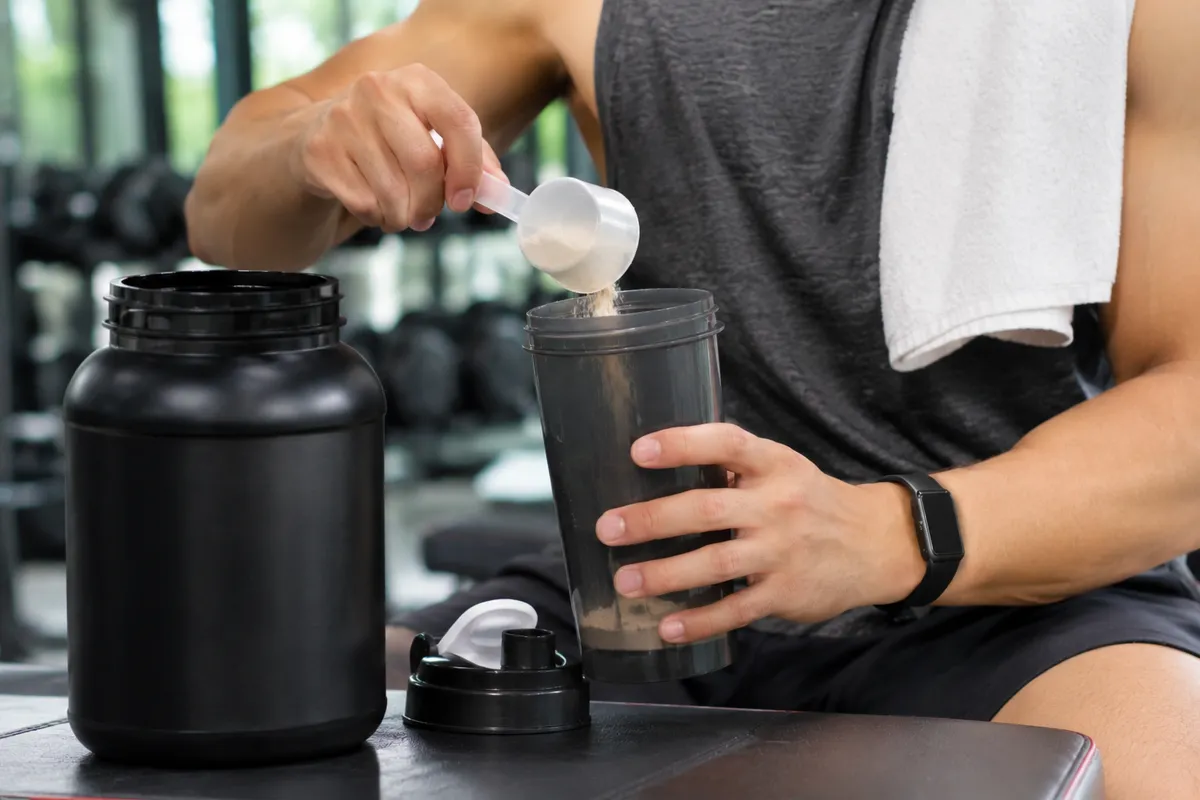
You've finished your workout, you're feeling good, and it's time for your post-gym protein shake. Maybe you grab a protein bar, a zero-sugar energy drink, or your favourite low-calorie sports beverage.
After all, you're trying to build muscle, manage your calories, and make smarter food choices. But have you ever checked what's actually inside those products?
One ingredient you might find is sucralose (955), an artificial sweetener commonly used in sugar-free and reduced-sugar foods and drinks.
It's not exactly a new ingredient, but with the growing popularity of protein supplements and fitness products, it's worth knowing a little more about it.
What exactly is sucralose?
Sucralose is an artificial sweetener used to give food and drinks a sweet taste without adding significant kilojoules.
Here's something interesting: it's around 600 times sweeter than regular sugar. That means manufacturers only need a very small amount to achieve the sweetness people expect.
You might find it in:
Protein powders and ready-to-drink protein shakes
Protein bars and low-sugar snacks
Zero-sugar soft drinks
Sugar-free desserts
Some sports and flavoured beverages
If you've ever picked up a product labelled "zero sugar" or "low calorie", there's a chance it contains an artificial sweetener such as sucralose.
Why is it so popular in fitness products?
Let's face it. A lot of fitness products are designed to taste good while fitting into specific nutrition goals.
Protein powders, for example, can have a naturally strong or slightly bitter taste. Adding a sweetener helps make flavours like chocolate, vanilla, strawberry, and cookies and cream more enjoyable.
Sucralose is also popular because it doesn't contribute significant calories, making it useful in products marketed towards people watching their sugar or energy intake.
But here's something worth remembering: just because a product is labelled sugar-free doesn't automatically make it healthy or nutritious.
A protein bar can still contain saturated fat, sodium, and other ingredients worth checking.
Is sucralose safe?
This is where things get interesting.
Sucralose is an approved food additive in Australia and New Zealand, the EU and the US, subject to conditions of use. According to Food Standards Australia New Zealand (FSANZ), an acceptable daily intake (ADI) of 0–15 mg per kilogram of body weight per day has been established.
An ADI is the amount that can be consumed daily over a lifetime without appreciable health risk, based on current scientific assessments.
This doesn't mean you need to calculate every milligram in your protein shake. It simply provides a safety reference for regulators when assessing food additives.
However, there is another conversation worth knowing about.
In 2023, the World Health Organization (WHO) recommended against relying on non-sugar sweeteners as a long-term strategy for weight control. This guidance was about their effectiveness in managing weight and long-term health, not a declaration that approved sweeteners are unsafe. The recommendation was conditional and did not apply to people with pre-existing diabetes.
So, while sucralose is permitted for use in food, using sugar-free products doesn't automatically guarantee better fitness or health results.
What should gym-goers look for on food labels?
If protein shakes, energy drinks, and protein bars are part of your regular routine, it's worth getting into the habit of checking the ingredient list.
Here are a few things to look for:
1. Check for sweetener (955). Sucralose may appear as "Sucralose", "Sweetener (955)" or "E955", depending on where a product is sold.
2. Don't rely on the front packaging. Words like "zero sugar", "high protein", and "low calorie" only tell you part of the story. Check the full nutrition information panel.
3. Compare protein products. Two protein powders can offer similar amounts of protein but have very different ingredient lists. Compare them and choose what works for your needs.
4. Watch your overall diet. A protein shake can be convenient, but it shouldn't replace a varied diet of whole foods. Eggs, fish, lean meat, legumes, dairy, fruits, and vegetables all have a place in a balanced fitness routine.
Should you avoid sucralose if you work out?
Not necessarily.
There is no need to panic if your favourite protein powder contains sucralose. Its use is permitted under food standards in several regions, subject to conditions, and its presence alone doesn't make a product unhealthy.
What matters more is your overall eating pattern, the quality of your food choices, and whether you're relying too heavily on heavily processed fitness products.
If you enjoy your chocolate protein shake after a workout, that's a personal choice. Just remember that building a healthier body involves more than counting calories or choosing products with the lowest sugar content.
The Goodnessly takeaway
Fitness is about consistency, not just what's written on the front of your supplement tub.
The next time you buy a protein powder, protein bar, or zero-sugar drink, take a few seconds to check the ingredients. You might spot sucralose (955) or another sweetener you've never noticed before.
You don't have to avoid every unfamiliar ingredient. You just need to understand what you're consuming and make choices that support your goals.
Because being fit isn't only about what happens at the gym. It's also about being informed about what goes into your body.
This article is for general information only and is not a substitute for individual medical or nutritional advice.

Facebook
Instagram
X
TikTok